
Free pallet disposal for high-volume facilities

High-volume facilities cannot afford to let unwanted pallets become a warehouse problem. Broken, damaged, and excess pallets can quickly take over floor space, crowd loading areas, restrict forklift movement, and compete with usable inventory for valuable storage capacity. When cleanup gets pushed until year-end, those problems can become harder to manage while shipping volume is still high.
Free pallet disposal gives procurement, warehouse, and distribution teams a way to address pallet overflow before it disrupts daily operations. Carrillos Pallets provides free pallet removal and recycling services for qualifying businesses throughout the Seattle and Kent areas, helping facilities clear unwanted pallets without adding disposal fees.
The larger opportunity is to make pallet removal part of your planning instead of treating it as an occasional cleanup task. When you consider supply, repair, recycling, disposal, and trailer capacity together, businesses can build a more predictable pallet strategy for Q4 and Q1.
Plan Your Pallet Supply and Removal Before Q4 Cleanup
Why pallet disposal belongs in warehouse planning
Pallet accumulation often happens gradually. A few broken pallets may not seem like a serious concern, but repeated receiving and shipping activity can turn that small pile into a significant amount of unused material.
For a busy distribution center, that space costs money to operate. Warehouse teams need clear areas for staging, receiving, picking, loading, and forklift traffic. When unwanted pallets occupy those areas, employees may have to move them repeatedly or work around them.
Carrillos Pallets provides free pallet disposal and warehouse cleanup services designed for busy logistics facilities. The company specifically serves businesses dealing with damaged pallets, excess inventory, and the need to recover usable warehouse space.
What can happen when pallet removal waits?
Delaying disposal can create several avoidable problems:
- Loading and staging areas become crowded.
- Broken pallets remain in circulation longer than they should.
- Unwanted material consumes usable warehouse space.
- Employees spend time moving pallets instead of handling active freight.
- Damaged pallets can create unstable stacks and other workplace concerns.
- Year-end cleanup becomes a larger project than necessary.
- Facilities may have less room to accommodate Q1 inventory changes.
Planning removal ahead of time helps your team maintain control over the pallet flow rather than reacting once the warehouse is already full.
Free disposal can support a more efficient pallet cycle.
Disposal should not necessarily mean throwing everything away. Some pallets can be repaired and returned to service, while others can be recycled for their wood materials.
Our pallet recovery process includes pickup, sorting, repair, and recycling. Usable pallets can remain part of the supply cycle, while damaged materials that cannot return to service can be processed for recycling.
That makes pallet disposal part of a larger operational strategy. Procurement teams can think about what comes into the facility, warehouse managers can plan what needs to leave, and operations teams can establish a consistent process for damaged pallets.
Repair what can return to service.
Not every damaged pallet needs to become waste. Our repair services address broken boards and fasteners so suitable pallets can be strengthened and returned to use.
For high-volume buyers, that distinction can matter. Repair and recycling can reduce unnecessary pallet replacement while keeping unusable inventory out of warehouse space.
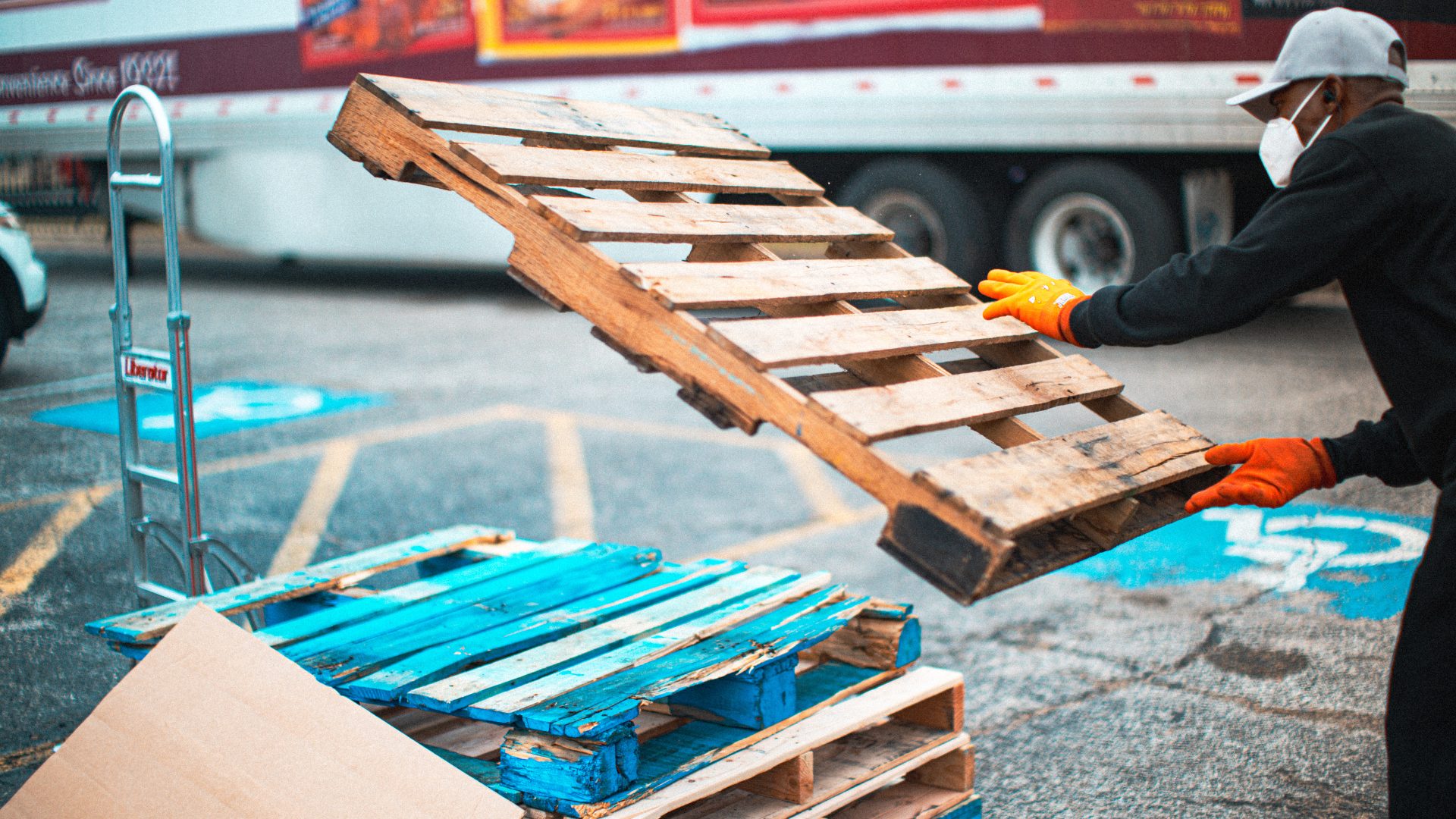
Plan disposal around Q4 cleanup and Q1 procurement
October offers a useful opportunity to review pallet disposal before year-end activity reaches peak pressure. Retail distribution centers, grocery suppliers, manufacturers, and other high-volume shippers may already be considering inventory changes, vendor decisions, and Q1 procurement requirements.
Pallet disposal belongs in those conversations.
A useful planning review can include:
Review your current pallet accumulation.
Look at how many unwanted pallets your facility generates during an average week or month. Compare that volume with what you expect during seasonal increases or year-end cleanup.
Identify pallets that can be repaired.
Separate pallets that may return to service from those that need recycling or disposal. This gives procurement teams a clearer picture of actual replacement needs.
Determine your removal frequency.
Some facilities may need periodic pickup, while larger operations may need a higher-capacity solution. Establishing a schedule before overflow occurs can help keep warehouse space available.
Coordinate disposal with new pallet purchasing.
If your facility is bringing in large quantities of new or recycled pallets for Q1, plan how unwanted pallets will move out at the same time. Supply and removal should support each other, not compete for warehouse space.
When free disposal is not enough, consider a 53-foot trailer swap.
High-volume facilities may generate more unwanted pallets than routine pickup can comfortably handle. A 53-foot trailer drop-and-swap program provides another option for businesses with significant pallet volume.
We can place an empty 53-foot trailer at a facility, allowing warehouse teams to load waste pallets as part of their normal workflow. When the trailer reaches capacity, we coordinate a swap for another trailer. Carrillos Pallets describes this service as a scalable solution for logistics operations handling thousands of units per week.
This approach helps keep unwanted pallets centralized instead of letting them spread across docks, aisles, yards, and storage areas.
Keep Your Dock Clear With a Planned Pallet Removal Solution
Pair pallet disposal with recurring pallet supply
A business that regularly needs pallet disposal may also have recurring pallet purchasing requirements. That connection allows procurement teams to rethink their vendor relationships.
Carrillos Pallets offers bulk purchasing and contract supply programs, including scheduled weekly or monthly deliveries. The company also offers a 53-foot trailer service that can connect waste removal with fresh pallet supply.
This can simplify planning for businesses that regularly move large pallet volumes.
Instead of managing one vendor for pallet purchasing and another for disposal, repair, or recycling, your procurement team can explore whether a broader pallet relationship better fits the operation.
What should procurement teams ask?
Before Q1 vendor planning is complete, consider whether your pallet partner can provide:
- Recurring or bulk pallet supply
- Consistent pallet quality
- Pallet repair services
- Pallet recycling
- Free pallet disposal where applicable
- High-volume pallet removal
- 53-foot trailer drop-and-swap service
- Responsive scheduling
- Support for changing warehouse requirements
These capabilities matter because pallet management affects more than purchasing. It can influence dock space, warehouse organization, shipping workflows, inventory handling, and distribution efficiency.
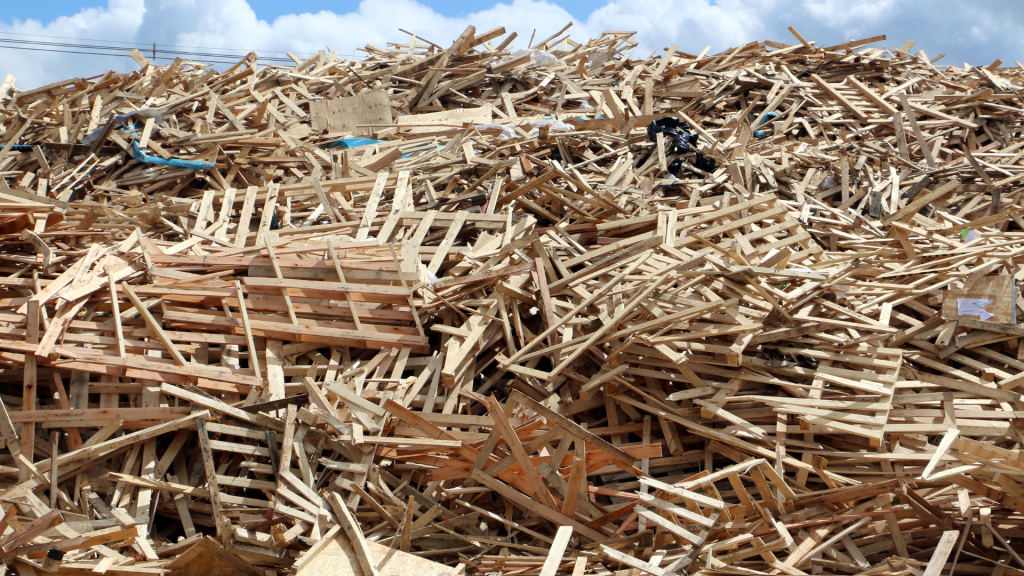
Why local pallet disposal matters in Kent and Seattle
Regional service can make a meaningful difference for businesses operating in a concentrated logistics market. Carrillos Pallets is located at 1609 and 1621 Central Ave S in Kent, Washington, and provides pallet services for businesses throughout the Seattle and Kent areas.
Our services are designed around the needs of B2B warehouses and high-volume logistics operations. We offer pallet sales, bulk purchasing, repair, recycling, free disposal, custom pallet solutions, and trailer swaps, giving businesses options to manage the complete pallet cycle.
That local focus also supports the vendor reliability that larger facilities need. A pallet supplier should understand that a warehouse may need additional pallets at the same time it needs to clear damaged ones.
Make free pallet disposal part of your long-term pallet strategy.
Free pallet disposal can help a high-volume facility recover warehouse space and reduce unnecessary hauling costs, but the bigger benefit comes from planning. When you address disposal, recycling, repair, supply, and trailer capacity together, pallet management becomes easier to coordinate across procurement and operations.
October is a good time to begin that conversation. Before year-end cleanup creates additional pressure, businesses can review their pallet accumulation, identify repair and recycling opportunities, evaluate trailer capacity, and plan Q1 pallet purchasing.
We provide more than one-off pallet removal. Our B2B services help businesses manage pallet supply and pallet overflow through bulk purchasing, repairs, recycling, free disposal, and 53-foot trailer swaps. For procurement managers, warehouse directors, distribution center managers, and high-volume shippers in Kent, Seattle, and surrounding Washington markets, Carrillos Pallets can serve as a practical partner for keeping pallet operations organized and predictable.
Make Carrillos Your Partner for Pallet Supply and Removal