
Q1 pallet vendor planning: Build a more reliable supply strategy before January
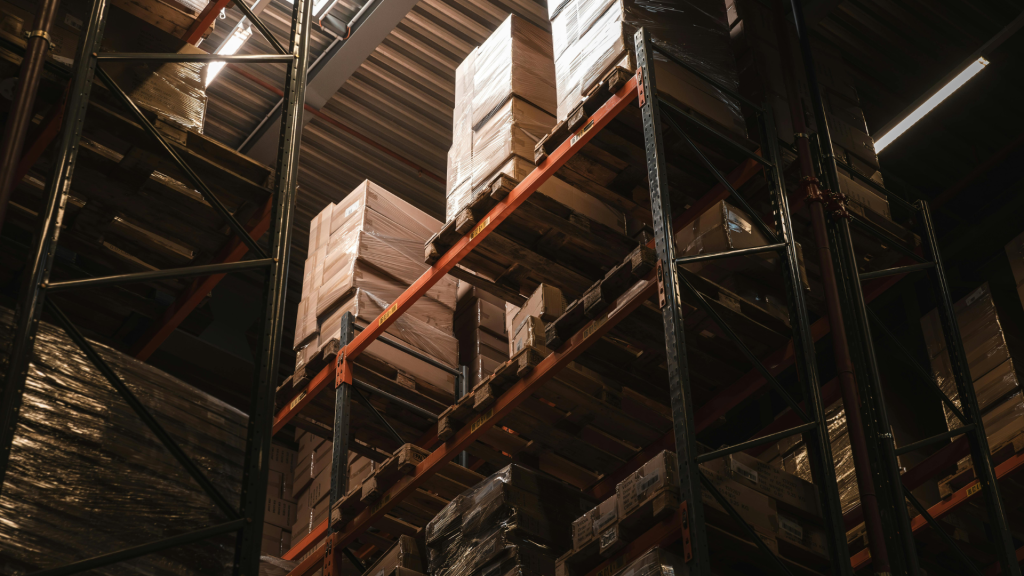
Your procurement team shouldn’t figure out Q1 pallet needs after the first shipment of the year is already scheduled. For high-volume retailers, manufacturers, distribution centers, grocery suppliers, and shippers, pallet supply affects receiving, storage, fulfillment, transportation, and warehouse space. A shortage or inconsistent supply can create delays just when teams are trying to reset operations after year-end.
The same planning applies to pallets leaving your facility. Damaged pallets, excess inventory, and recycling needs can quickly consume dock and storage space when cleanup waits until the warehouse is already crowded. Planning supply, repair, recycling, disposal, and trailer swaps before Q1 gives your team more control over the entire pallet cycle.
We help businesses throughout Kent, Seattle, and the broader Washington market plan for those needs with bulk pallet supply, repairs, recycling, removal, and high-volume trailer services. Our goal is to help procurement and warehouse teams enter the new quarter with fewer pallet-related surprises.
Request a Bulk Pallet Quote for Your Q1 Supply Needs
Start Q1 pallet planning before the current quarter ends.
For large operations, procurement decisions rarely happen in isolation. Vendor evaluations, purchasing forecasts, warehouse resets, inventory movement, and distribution schedules can all begin before the current quarter closes.
That makes October a useful point to review your pallet requirements. Instead of waiting for January demand to expose a supply problem, your team can establish expectations for volume, quality, delivery frequency, and removal services while there is still time to adjust.
What should procurement teams review?
A useful Q1 pallet plan should account for more than the number of pallets purchased during the previous quarter. Consider:
- Expected pallet consumption by facility or distribution center
- Standard pallet sizes and quality requirements
- Weekly, monthly, or seasonal purchasing volume
- New versus recycled pallet requirements
- Damaged pallet repair and replacement needs
- Pallet recycling and disposal volume
- Available dock and warehouse space
- Trailer swap requirements
- Post-holiday warehouse cleanup
- Vendor responsiveness and service reliability
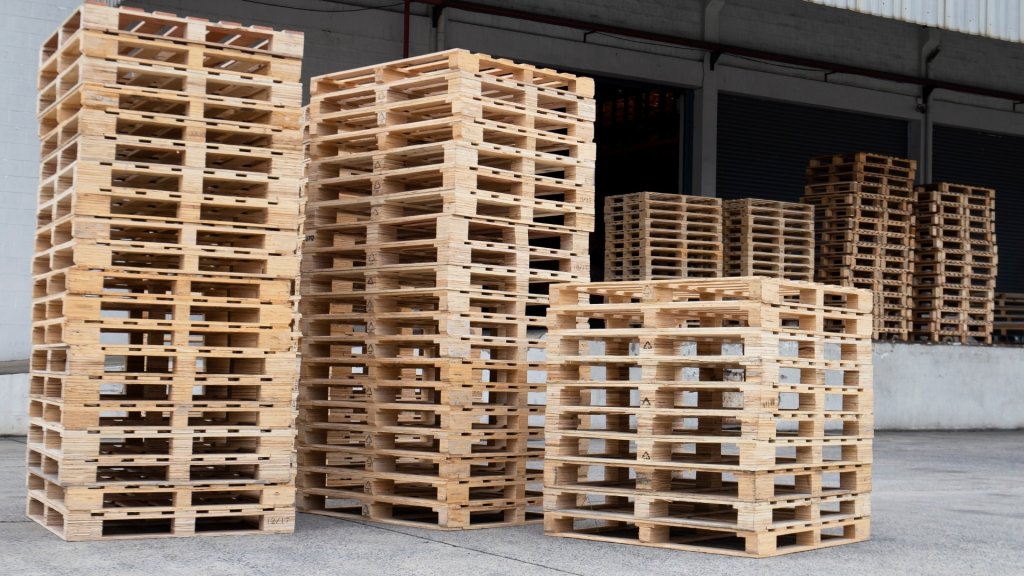
Carrillos Pallets supports bulk purchasing and large-volume pallet requirements, including standard 48×40 GMA pallets designed for high-volume warehouse and B2B shipping applications. We also offer pallet repair, recycling, disposal, and trailer services that can become part of the same procurement conversation.
Why vendor reliability matters to distribution operations
A pallet vendor may seem like a straightforward purchasing relationship until a shipment needs to leave and the required pallets are not available. For a high-volume warehouse, that situation can affect multiple teams at once.
Procurement may need to locate another source. Warehouse employees may need to sort through inconsistent inventory. Receiving and shipping teams may have to adjust schedules. Managers may need to find space for damaged pallets while the operation continues moving product.
Reliable vendor planning helps reduce those points of friction.
Our focus is B2B pallet service for warehouses, distribution centers, manufacturers, retailers, and logistics operations. We provide standard and custom pallets, bulk purchasing, repairs, recycling, removal, and trailer solutions so businesses can address supply and recovery needs through a broader service relationship.

Consistent pallet quality supports smoother workflows.
The cheapest pallet is not always the most useful pallet if inconsistent condition creates additional handling or replacement work. Your procurement requirements should account for the condition and application of the pallets your operation uses.
We provide standard pallets for common warehouse and high-volume shipping applications, along with repaired and recycled options. Our repair process includes inspection and structural repairs intended to return suitable pallets to service.
That gives purchasing teams another option when planning supply, particularly when a facility needs dependable pallet inventory without relying exclusively on new pallets.
Plan pallet removal alongside pallet purchasing
Q1 planning shouldn’t stop at the pallets you need to bring into your facility. It should also address what happens to the pallets your operation no longer needs.
Post-holiday resets can expose months of accumulated pallets. Broken pallets may sit near loading areas, behind facilities, or in warehouse corners because you never scheduled a process to remove them. That material takes up space and can interfere with normal warehouse activity.
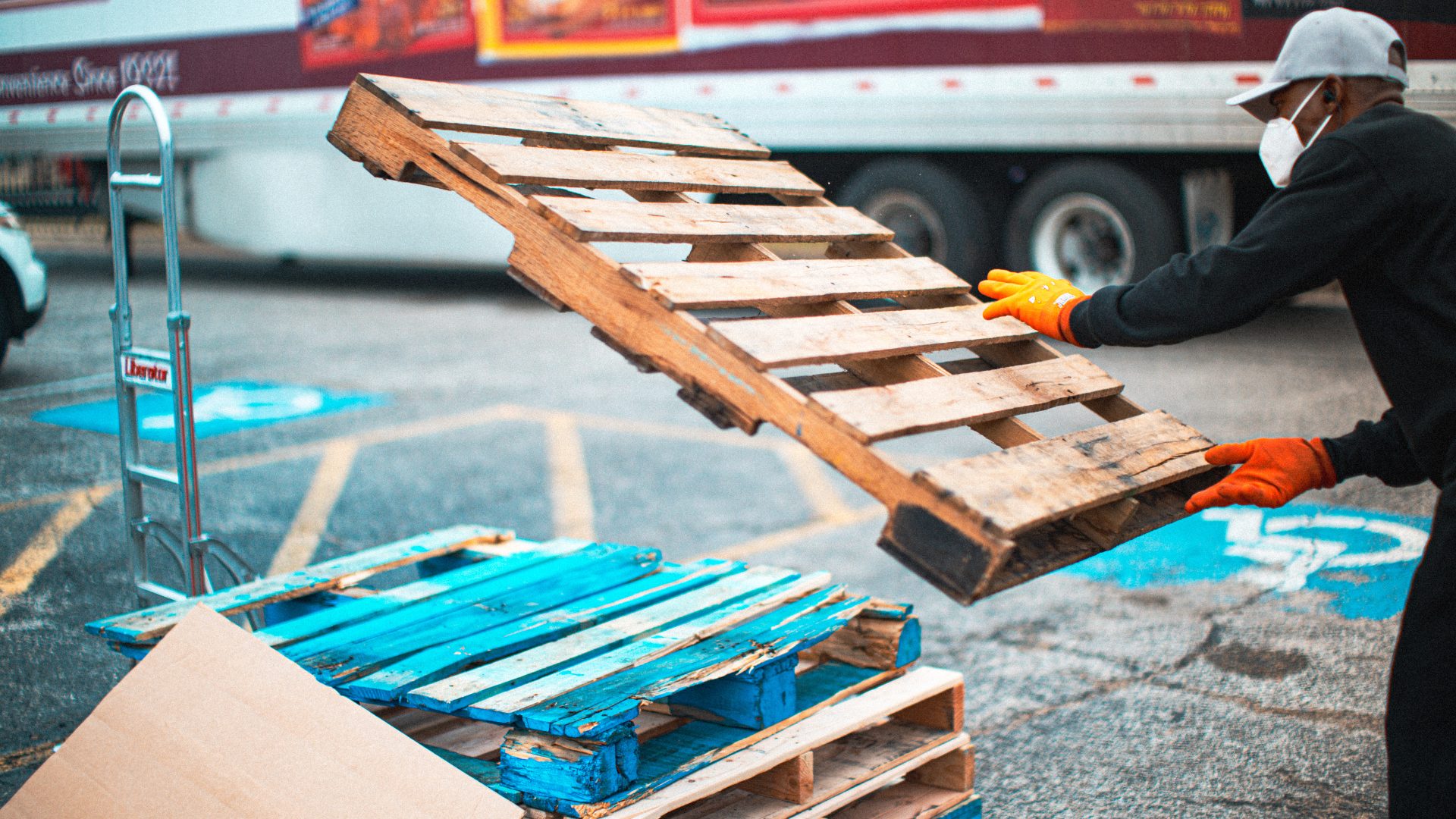
We provide pallet recycling and removal services that help businesses sort unwanted pallets, identify material suitable for repair or reuse, and recycle pallets that cannot return to service. Qualifying businesses can also use free pallet disposal services to clear unwanted pallets without disposal fees.
Build cleanup into your vendor plan.
A stronger procurement strategy can connect several needs instead of treating each one as a separate emergency:
Supply: Establish the pallet volume your operation expects to need.
Repair: Identify pallets that can return to service instead of automatically replacing them.
Recycling: Create a consistent process for unusable pallets and wood materials.
Removal: Schedule pickup before excess pallets interfere with warehouse space.
Trailer swaps: Consider higher-capacity removal when pallet volume exceeds routine pickup needs.
This approach helps procurement, warehouse, and distribution teams work from the same operational plan.
Request a Bulk Pallet Quote and Plan Your Q1 Supply
When does a 53-foot trailer swap make sense?
Some facilities generate too many unwanted pallets for conventional pickup to keep pace. When that happens, the removal process itself can become a warehouse management problem.
Our 53-foot trailer drop-and-swap service is designed for high-volume logistics operations. We can drop an empty trailer at a facility, allow the business to load unwanted pallets as operations permit, and coordinate a swap when the trailer is full.
Planning that service before Q1 can give distribution managers a clearer strategy for handling pallet overflow. It can also reduce pressure on dock areas by giving unwanted pallets a designated collection point rather than letting them accumulate wherever space is available.
Evaluate your pallet vendor before finalizing Q1 procurement decisions.
Vendor planning is an opportunity to ask whether your current pallet supplier supports the full scope of your operation.
For procurement managers and supply chain leaders, useful questions include:
Can the supplier support recurring volume?
High-volume operations need more than occasional availability. Ask whether the supplier can support the expected frequency and quantity of your orders.
Can the supplier handle pallet recovery?
A vendor that only supplies pallets may leave your team responsible for finding separate providers for damaged pallet removal, recycling, and warehouse cleanup.
Can the supplier scale with your facility?
Your pallet needs may change with seasonal shipping, new customers, warehouse expansion, inventory shifts, or changes in distribution volume. A useful vendor relationship should have room to adapt.
Can the supplier provide local service?
Carrillos Pallets operates from Kent, Washington, and serves businesses throughout the Seattle area and Washington. Our services support high-volume warehouse and distribution needs, including pallet sales, repair, recycling, free disposal, bulk purchasing, and 53-foot trailer swaps.
Make Q1 pallet planning part of your procurement strategy.
A dependable pallet program can do more than keep pallets available. It can help procurement teams plan purchasing more effectively, help warehouse managers control excess inventory, and give distribution operations a clearer process for damaged pallets and recycling.
October is the right time to start those conversations. Before year-end activity reaches its highest pressure point, your team can review pallet consumption, establish Q1 purchasing requirements, plan warehouse cleanup, and determine whether recurring recycling or trailer services make sense.
We work with businesses that need more than one-off pallet service. From bulk pallet purchasing and standard pallet supply to repair, recycling, free disposal, and 53-foot trailer swaps, we provide practical B2B solutions designed around ongoing warehouse and distribution requirements. Our Kent location gives Seattle-area businesses a regional pallet partner they can build into their procurement planning.
Request a Bulk Pallet Quote and Start Planning Your Q1 Supply