
Standard pallet consistency for retail and distribution operations
High-volume buyers cannot afford to treat pallet supply as a reactive need. When demand rises, warehouse resets begin, or year-end cleanup accelerates, waiting until pallets are already running low can create problems that extend far beyond procurement. Inconsistent pallet availability, damaged inventory, crowded dock space, limited trailer access, and broken pallets in circulation can all interfere with daily distribution workflows.
Planning pallet supply and removal needs before those pressures build gives procurement and warehouse teams more control. Standard 48×40 GMA pallets are designed for common warehouse, shipping, racking, and high-volume distribution applications, while recurring supply programs can help businesses maintain a steadier inventory.
For retailers, manufacturers, grocery suppliers, distribution centers, and high-volume shippers across Seattle, Kent, and the broader Washington market, we help connect pallet procurement with the operational needs that surround it.
Start planning your next bulk pallet order today.
Why pallet planning belongs in the procurement process
Pallets support more than the movement of products from one location to another. They affect receiving, storage, order fulfillment, transportation, staging, and warehouse organization. When supply is inconsistent, teams may spend valuable time locating acceptable pallets instead of focusing on the next shipment.
Reactive purchasing can also make it harder to account for changing demand. A retail distribution center preparing for increased shipping volume needs to consider how many pallets it will consume, what quality it requires, how often deliveries should occur, and what will happen to damaged pallets coming back through the operation.
Our standard pallet programs support recurring deliveries, large-volume orders, bulk pricing, and just-in-time delivery options. We also offer new and recycled pallets, giving procurement teams options based on operational requirements and budget.
Build pallet requirements into Q1 procurement planning.
October is a useful time to look beyond immediate Q4 demand. Procurement managers and supply chain leaders may already be reviewing vendors, forecasting inventory, planning warehouse resets, and preparing purchasing requirements for the first quarter.
A pallet supplier should be part of that conversation.
Planning early can help your team evaluate:
- Expected pallet volume for Q1
- Standard pallet sizes and quality requirements
- Recurring delivery schedules
- Bulk purchasing needs
- Damaged pallet repair and removal
- Recycling and disposal requirements
- Trailer swap needs
- Vendor responsiveness and scheduling
- Available dock and warehouse space
The goal is not simply to purchase more pallets. It is to establish a supply process that fits the way your warehouse actually operates.
Consistent pallets can reduce warehouse disruption.
Pallet consistency becomes especially important in high-volume distribution. When pallets vary significantly in condition or quality, warehouse teams may spend additional time sorting inventory, removing damaged units, or finding suitable pallets for specific shipments.
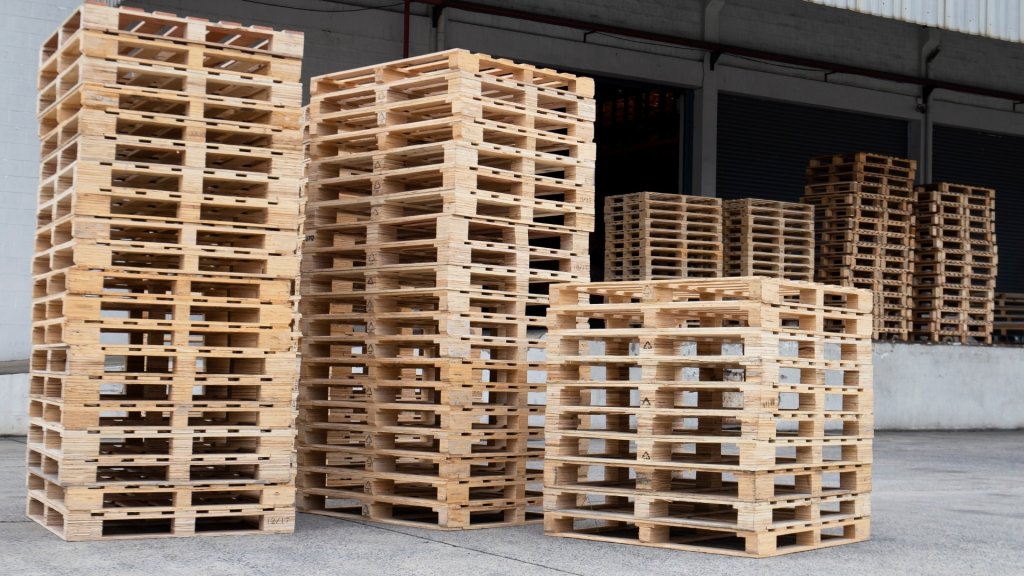
Our Grade #1 pallets are positioned for retail-ready shipments and automated warehouse environments, while Grade #2 recycled pallets provide a durable option for many heavy-duty industrial and local shipping applications. We inspect pallets for intact boards, flush fasteners, and structural integrity before they return to service.
That consistency can support smoother receiving, storage, picking, staging, and outbound shipping.
Supply and removal should work together.
Pallet procurement is only one side of the warehouse equation. The pallets entering a facility eventually become part of another flow, including pallets that become damaged, excess, or unusable.
If those pallets accumulate without a plan, they can consume floor space and interfere with dock activity. Our pallet recycling and removal services help businesses collect, sort, repair, and recycle pallets based on their condition. Qualifying businesses can also use our free pallet disposal service to remove unwanted pallets without adding disposal fees.
Connecting supply with removal creates a more complete pallet management process.
53-foot trailer swaps can help high-volume facilities manage overflow
Large distribution operations can quickly outgrow a simple pickup schedule. When damaged pallets continue accumulating between pickups, warehouse teams may have to dedicate space, labor, and equipment to managing the overflow.
Our 53-foot trailer drop-and-swap service gives high-volume facilities another way to manage that material. We can drop a trailer at the facility so teams have a designated place for unwanted pallets, then coordinate a swap when the trailer reaches capacity.
This approach can help businesses manage:
- Damaged pallet accumulation
- Dock and staging congestion
- Warehouse cleanup
- Ongoing recycling needs
- High-volume pallet removal
- Replacement pallet requirements
For a busy distribution center, keeping the removal process predictable can be just as important as keeping usable pallets available.
Coordinate Pallet Supply and Removal for your warehouse.
Choose a pallet supplier that understands recurring operations.
A reliable vendor should do more than respond when someone discovers a pallet shortage. Procurement and warehouse teams need a partner that understands recurring demand, quality requirements, scheduling, removal, and the operational impact of missed service.
We work with warehouses, distribution centers, manufacturers, retailers, and logistics providers throughout the region. Our Kent facility supports businesses with pallet sales, bulk purchasing, repairs, recycling, free disposal, custom pallets, and trailer drop-and-swap services.
That range of services lets businesses address several pallet-related needs through one relationship, rather than managing separate vendors for supply, repairs, cleanup, and recycling.
Local service matters when timing matters
Our Kent location serves as a regional hub for businesses throughout the Seattle area and Washington. We focus on B2B relationships and practical pallet solutions for companies that need dependable service as part of their daily operations.
For procurement teams, that local connection can make it easier to discuss recurring orders, bulk purchasing, pallet recovery, and changing warehouse requirements before those needs become urgent.
Make pallet planning part of your year-round warehouse strategy.
Standard pallets may seem like a straightforward purchasing item, but inconsistent supply can create complications across the entire distribution operation. Planning gives procurement teams more time to establish volume requirements, evaluate quality, coordinate delivery schedules, and account for damaged pallet removal.
October also provides an opportunity to look beyond year-end shipping. Q1 vendor planning, post-holiday warehouse cleanup, inventory changes, and recurring supply needs are easier to manage when you address pallet needs before the next demand cycle begins.
We help businesses take that proactive approach with standard and recycled pallets, bulk purchasing, pallet repair, free pallet disposal, recycling, and 53-foot trailer swaps. Our goal is to provide more than a one-time pallet transaction. We want to be the practical B2B pallet partner you can rely on as your distribution and warehouse needs change.
Make Carrillos your reliable B2B Pallet Supply partner.