
53-foot trailer swap planning: Keep high-volume pallet operations moving

High-volume warehouses cannot afford to wait until pallet overflow becomes a dock problem. When broken and unwanted pallets accumulate faster than they can be removed, valuable floor space disappears, trailer access becomes harder, and warehouse teams may have to work around stacks of material that have nothing to do with the next shipment.
That risk grows during Q4. Retailers, manufacturers, grocery suppliers, and distribution centers are moving higher volumes while also preparing for year-end cleanup and Q1 operations. A 53-foot trailer swap can give facilities a planned way to manage pallet overflow instead of treating removal as an emergency.
We provide 53-foot trailer drop-and-swap services for high-volume logistics operations in the Seattle and Kent area. Our approach helps businesses connect pallet removal with broader warehouse planning, recycling, and procurement needs.
Get Ahead of Your Warehouse Pallet Needs.
Why trailer swap planning matters before pallet overflow starts
A pallet pile rarely becomes a problem all at once. Broken pallets accumulate after receiving, shipping, product transfers, and routine warehouse activity. A few damaged pallets may not seem significant, but weeks of accumulation can eventually occupy staging areas, block access, or compete with usable inventory for space.
That creates a planning issue for warehouse and distribution managers. The question is not simply how to remove pallets. It is how to build removal into the facility’s normal operating schedule.
Carrillos Pallets provides drop-and-swap services that allow an empty trailer to remain at a facility while employees load unwanted pallets as their operations permit. Once the trailer reaches capacity, we coordinate a swap.
This gives high-volume facilities a more predictable process for handling pallet overflow without requiring every removal to happen as a separate urgent pickup.
Plan trailer capacity around your actual warehouse volume
Every facility handles pallet waste differently. A retail distribution center, grocery warehouse, manufacturer, or large shipper may generate substantially different volumes depending on its receiving schedules, shipping cycles, product mix, and seasonal demand.
Before establishing a trailer swap schedule, procurement and operations teams should consider:
- How many unwanted pallets accumulate during a typical week
- How much additional volume Q4 or seasonal shipping creates
- Where empty and loaded trailers can be staged
- How forklifts will access the trailer
- How often the trailer may need to be exchanged
- Which pallets should be repaired, recycled, or removed
- Whether pallet supply needs to increase alongside removal volume
- How post-holiday warehouse cleanup will affect capacity
Planning these details early can help prevent a removal solution from creating another operational bottleneck.
A trailer swap can protect valuable warehouse space.
Warehouse space has a direct operational purpose. It supports inventory, staging, receiving, picking, forklift movement, and outbound shipments. Using that space to store broken pallets for weeks can make the entire facility harder to manage.
Our trailer swap service provides a designated collection point for unwanted pallets, helping facilities keep pallet overflow contained rather than scattered throughout loading and storage areas. Carrillos Pallets specifically positions its 53-foot trailer service for high-volume logistics operations that need scalable disposal support.
Keep dock areas available for active freight.
Dock congestion can become especially difficult during periods of elevated shipping activity. If unwanted pallets occupy areas needed for incoming or outgoing freight, warehouse teams may need to move the same material multiple times.
A planned trailer swap gives your team a defined destination for pallets that are no longer part of the active inventory flow. Instead of continually relocating damaged pallets to make room for freight, employees can add them to the designated trailer as part of the facility’s normal process.
That can support a cleaner warehouse layout and reduce unnecessary handling.
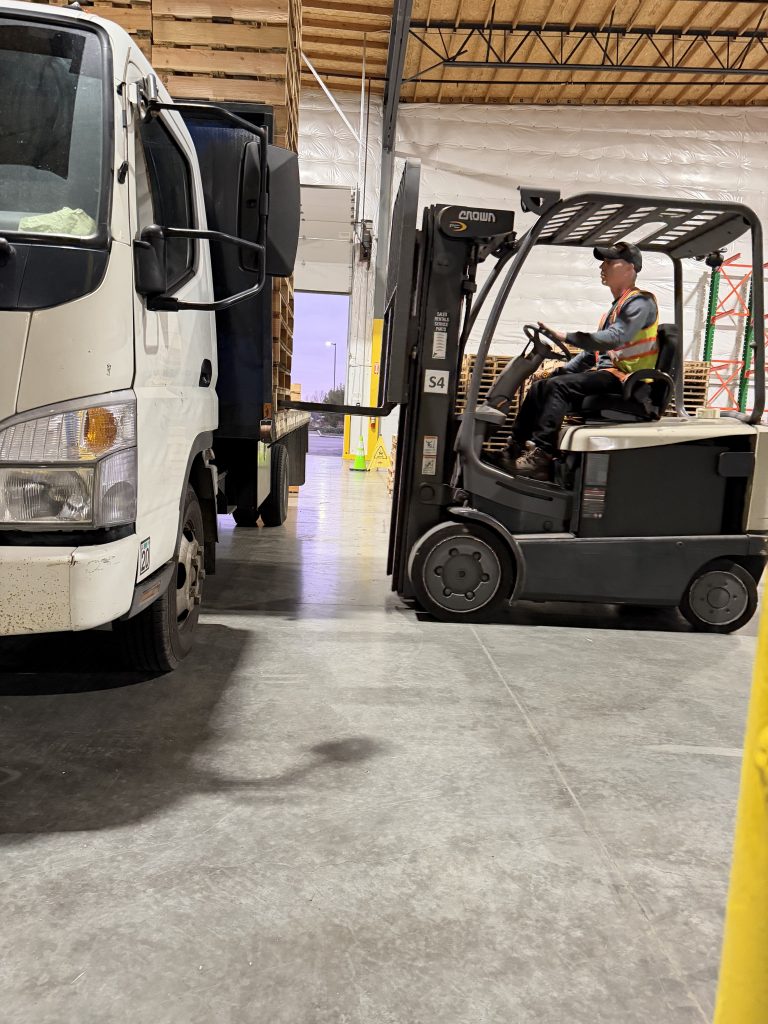
Connect pallet recycling with your trailer swap strategy.
Trailer swaps are not only about removing material. They can become part of a broader pallet recovery program.
We sort recovered pallets by condition, size, and repair needs. Pallets that can return to service may be repaired, while unusable pallets can enter the recycling process. Carrillos Pallets also offers free pallet disposal for qualifying loads, helping businesses remove unwanted pallets without adding disposal fees.
That creates a more useful relationship between removal and procurement. The pallets leaving your warehouse can become part of the material stream that supports future pallet supply.
Consider repair before replacement.
Not every damaged pallet needs to be disposed of. Repairing pallets that remain suitable for reuse can extend their service life and help reduce the need for replacement inventory.
Our pallet repair services include inspections and repairs to broken boards and fasteners, with repaired pallets strengthened for continued use.
For procurement managers, that distinction matters. A trailer swap program can help identify the pallets leaving the facility, while a repair and recycling process can determine what should return to circulation and what should be recycled.
Use Q4 planning to prepare for Q1 warehouse needs.
October is an important point for businesses that want to enter Q1 with a better pallet strategy. Year-end warehouse cleanup, changing inventory levels, vendor reviews, and new procurement plans often overlap during this period.
A trailer swap should therefore be considered alongside other Q1 planning decisions, not as a standalone disposal service.
Review these needs before the quarter ends.
Your operations and procurement teams can use the fall planning period to review:
Pallet supply: Will Q1 shipping volume require recurring or bulk pallet purchasing?
Pallet quality: Are damaged or inconsistent pallets affecting receiving, storage, or fulfillment?
Removal: How much unwanted pallet material does the warehouse generate each week?
Recycling: Which pallets can be repaired or recycled rather than discarded?
Trailer capacity: Would a 53-foot trailer provide enough collection capacity for your operation?
Scheduling: How frequently should trailers be swapped to prevent accumulation?
Vendor reliability: Can one pallet partner support supply, recovery, recycling, and removal as your needs change?
Asking these questions early can make it easier to establish a vendor relationship before Q1 demand begins.
Plan a 53-Foot Trailer Swap for Your Facility.
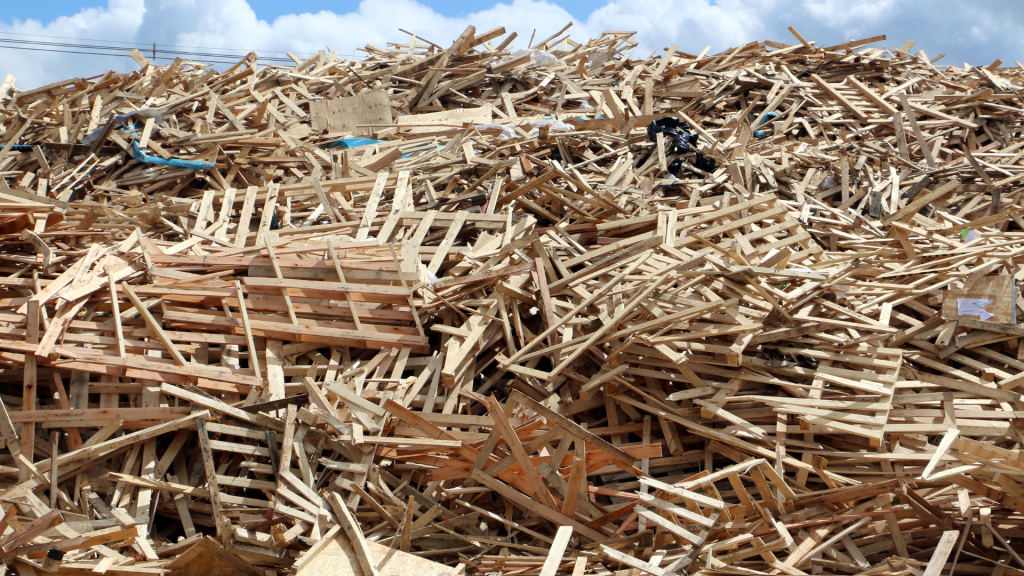
Why Kent distribution centers benefit from local pallet support
Kent is a major logistics and distribution market, so local facilities handle constant freight movement and significant pallet volumes. A pallet vendor serving this market needs to understand that warehouse requirements extend beyond buying and selling pallets.
Our Kent operation supports businesses with pallet sales, bulk purchasing, repairs, recycling, free disposal, and 53-foot trailer swaps. We work with high-volume logistics operations that need responsive service and practical solutions for keeping pallet flow under control.
That regional focus can also simplify ongoing planning. Instead of waiting until a warehouse has a trailer full of damaged pallets, businesses can discuss recurring removal requirements and build them into their operating schedules.
Build trailer swaps into a larger pallet management strategy.
A 53-foot trailer swap works best when it becomes part of a larger warehouse plan. Supply, removal, repair, recycling, and procurement all influence how efficiently pallets move through a facility.
Planning these services before Q4 cleanup peaks can help distribution managers protect dock space, reduce pallet clutter, and create a clearer process for unwanted inventory. It also allows procurement teams to evaluate whether their pallet vendor can support the operation beyond a single purchase or pickup.
We provide that broader B2B support from our Kent location, serving businesses in Seattle and surrounding Washington markets. From recurring pallet supply and bulk purchasing to pallet repair, free disposal, recycling, and 53-foot trailer swaps, we help businesses manage pallets as part of their warehouse operation rather than treating every need as a separate service call.
For businesses planning Q1 procurement, preparing for post-holiday cleanup, or managing significant pallet volume year-round, Carrillos Pallets can be a practical partner for keeping pallet supply and pallet overflow moving in the same direction.
Build a Reliable Pallet Supply and Removal Plan.